With 17 years of experience in the private sector, Natalie Horwitz stands out as a dedicated and highly skilled optometrist committed to achieving optimal visual outcomes for her patients. She expertly applies her extensive knowledge in prescribing spectacles and contact lenses, offering customised solutions that specifically address the unique needs of each individual. Renowned for her patient-centered approach, Natalie prioritises vision health, ensuring that every person receives the highest level of care. Her unwavering passion for optometry drives her to stay informed about the latest advancements and innovations in eye care, enhancing her practice and significantly elevating patient satisfaction. Whether you require routine eye examinations or specialised lens fittings, Natalie is fully committed to helping you achieve your best vision. You can trust her expertise to guide you on your journey toward clearer, sharper sight, ensuring a positive and fulfilling experience at every step.

Optometry is a healthcare profession dedicated to the examination, diagnosis, treatment, and management of visual disorders and eye health. Practitioners, known as optometrists, are trained to conduct comprehensive eye exams, prescribe corrective lenses, and identify potential eye diseases such as glaucoma or diabetic retinopathy. In addition to vision correction, they provide vital insights into overall health, as many systemic conditions display symptoms in the eyes. Optometrists play a crucial role in promoting eye safety and educating patients on proper eye care practices. Through advanced technologies and innovative techniques, they ensure optimal visual performance and enhance quality of life. Regular visits to an optometrist are essential for maintaining eye health, addressing vision challenges, and staying updated with the latest advancements in ocular care. Whether it’s for routine check-ups or specialized treatments, optometry provides invaluable services to individuals of all ages.
Myopia, which is more commonly referred to as shortsightedness, is a prevalent visual condition that affects many individuals around the world. Those who suffer from myopia typically find that distant objects appear blurry and unclear, while nearby objects can be seen clearly without any difficulty. This refractive error happens when the eye is elongated more than normal or when the curvature of the cornea is excessive, leading to light rays being focused in front of the retina rather than directly on it. To help manage this condition and improve overall distance vision, corrective measures such as prescription glasses or contact lenses are frequently recommended by eye care professionals. These aids work by adjusting the way light enters the eye, allowing for a clearer view of faraway objects.

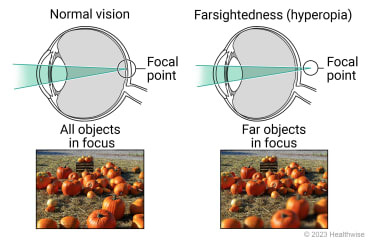
Hyperopia, commonly known as farsightedness, is a vision condition characterized by the ability to see distant objects clearly while struggling to focus on nearby objects, which often appear blurry or out of focus. This visual imbalance is primarily caused by an irregularly shaped eyeball or issues related to the eye's lens, which can prevent light from being properly focused on the retina. Individuals with hyperopia may find that they have to squint to see things up close, leading to eye strain or discomfort during activities like reading or using a computer. Regular eye examinations play a crucial role in the effective management and treatment of this condition, allowing eye care professionals to identify the severity of hyperopia and recommend appropriate solutions, such as corrective lenses or other interventions to improve visual clarity. By prioritising eye health, individuals can maintain better vision and enhance their overall quality of life.
Astigmatism is a prevalent vision condition that arises from an irregularly shaped cornea or lens within the eye. This irregularity results in distorted or blurred vision, which can impact one’s ability to see clearly at both distance and near ranges. Individuals with astigmatism often experience difficulties in focusing on fine details, making it a significant concern for daily activities such as reading or driving. To address this visual impairment, regular eye examinations play a crucial role. These check-ups can help diagnose astigmatism accurately and facilitate the effective management of the condition, ultimately leading to clearer and more comfortable vision for those affected. Prioritising eye health through routine eye care can significantly improve the quality of life for individuals dealing with astigmatism.

Presbyopia is a common vision condition that typically affects adults as they age, usually starting around the age of 40. It occurs when the eye's lens loses flexibility, making it difficult to focus on close objects. Symptoms often include the need to hold reading materials at arm's length and experiencing eye strain or headaches during close tasks. While this condition is a natural part of aging, there are various corrective options available, such as reading glasses, multifocal lenses, or contact lenses designed for presbyopia.

A cataract is defined as the clouding of the lens of the eye, which can result in blurred vision and difficulty seeing clearly, particularly in low-light conditions, such as at night. This condition typically develops gradually over time and can impact one or both eyes. As cataracts progress, they can significantly interfere with daily activities and overall quality of life. Therefore, early detection and timely referral by a qualified eye care professional is crucial for effectively managing cataracts. Prompt attention can help preserve optimal vision and ensure that individuals maintain their independence and ability to enjoy their daily lives.

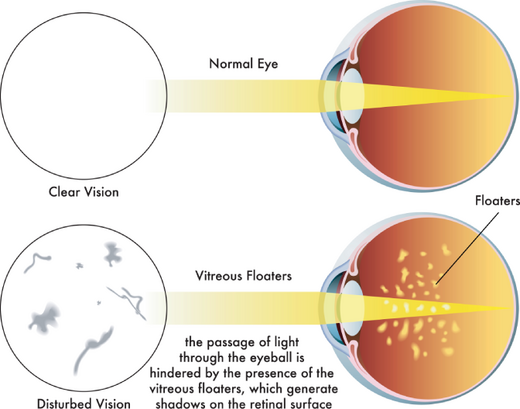
Floaters are those tiny specks, strands, or dots that seem to drift through your field of vision, often becoming more noticeable against bright backgrounds. These fascinating visual phenomena are typically caused by small clumps of gel or cells that exist within the eye's vitreous humor, a clear gel-like substance that fills the space between the lens and the retina. While floaters are often harmless and commonly experienced by many people, it is important to recognize that they can occasionally indicate more serious underlying conditions. Therefore, maintaining regular eye check-ups with a qualified eye care professional is essential, as these appointments can help monitor any changes in your vision and ensure your eye health remains in optimal condition. Remember, paying attention to any sudden increase in floaters or changes in your visual perception can be crucial, so don’t hesitate to seek professional advice if you have concerns.
Dry Eye Syndrome is a common condition that arises when there is inadequate tear production or when the quality of tears is compromised, resulting in discomfort and potential vision-related issues. This syndrome can stem from a variety of factors, including environmental influences, personal lifestyle choices, and underlying health conditions. For instance, prolonged screen time, air pollution, and even certain medications can exacerbate the symptoms. It is crucial to address Dry Eye Syndrome not only to alleviate discomfort but also to preserve overall eye health and well-being. Seeking appropriate treatment and making lifestyle adjustments can significantly improve the quality of life for those affected by this condition.
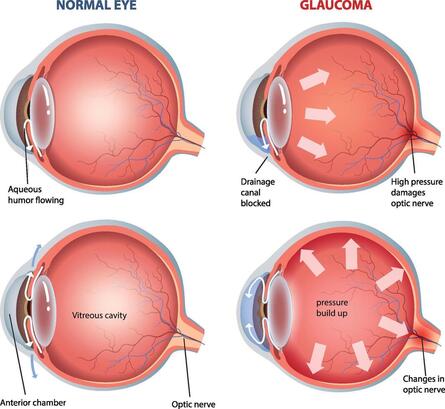
Glaucoma is a serious eye condition that can result in gradual vision loss by causing damage to the optic nerve, which is crucial for transmitting visual information from the eye to the brain. This damage often occurs due to increased intraocular pressure, a condition where fluid builds up in the eye. If left untreated, glaucoma can lead to permanent blindness. Therefore, early detection and prompt treatment are absolutely vital for effectively managing this condition and preserving one's vision for as long as possible. For individuals who are at risk, such as those with a family history of glaucoma or other predisposing factors, regular eye examinations become essential. These check-ups can help detect any changes early on and ensure that appropriate measures are taken to protect eye health.
Macular degeneration is a progressive and degenerative eye condition that primarily impacts the central part of the retina, an area known as the macula. This vital region of the eye is responsible for our sharp, central vision, and its deterioration can significantly affect a person's ability to see fine details clearly, read printed text, or recognize faces in social situations. There are two main types of macular degeneration: dry and wet. The dry form is more common and generally considered to be less severe, but it can still progress over time. In contrast, the wet form is less prevalent and can lead to substantial vision loss when not addressed promptly.
Several risk factors contribute to the development of macular degeneration, including advancing age, genetic predispositions, and certain lifestyle choices such as smoking and poor diet. It is important to note that early detection of this condition is absolutely crucial, as there are various treatment options available that can help manage symptoms and preserve remaining vision. Engaging in regular eye examinations with qualified eye care professionals is key, as these appointments facilitate ongoing monitoring of eye health and allow for early detection of conditions like macular degeneration. By staying vigilant and proactive about eye care, individuals can significantly improve their chances of maintaining their vision for years to come.

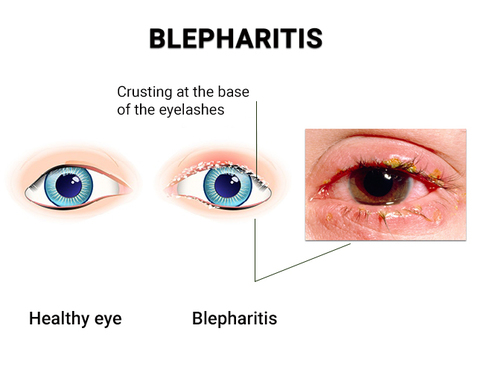
Blepharitis is a common eye condition characterized by inflammation of the eyelids. It occurs when the oil glands at the base of the eyelashes become clogged or infected, leading to irritation, redness, and discomfort. This condition can manifest in various forms, including seborrheic blepharitis and staphylococcal blepharitis, each resulting from different factors such as bacteria or skin conditions.
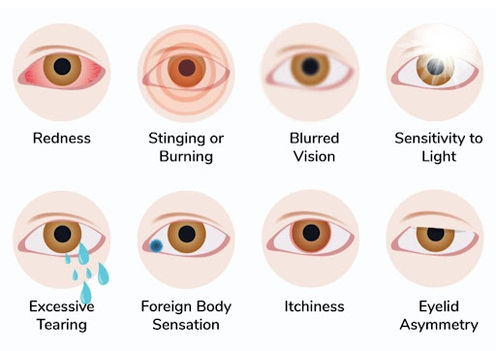
Symptoms often include persistent itching, burning sensations, and crusty eyelashes, particularly after sleeping. Individuals may also experience excessive tearing or dry eyes. While blepharitis is not contagious, it can significantly impact daily life by causing discomfort and affecting visual clarity.
Management typically involves maintaining good eyelid hygiene, such as gentle cleansing with warm compresses and eyelid scrubs. In some cases, doctors may prescribe antibiotic ointments or medications to alleviate symptoms and reduce inflammation. Regular visits to eye care professionals can help monitor the condition and adjust treatment plans.
Understanding blepharitis and its implications is crucial for effective management. If you experience persistent symptoms, it's advisable to consult with an eye care practitioner for an accurate diagnosis and tailored treatment options. Maintaining eyelid health can enhance comfort and visual quality.
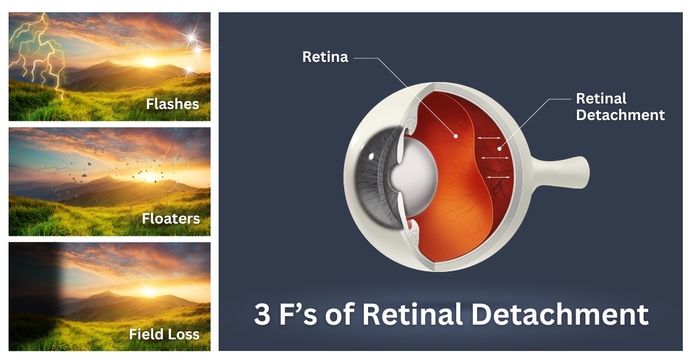
Retinal detachment is a serious condition where the retina, the light-sensitive layer at the back of the eye, becomes separated from its supportive tissue. This separation can lead to vision problems, including the potential loss of vision if not treated promptly. The condition can occur due to various factors, including age, trauma, or underlying eye disorders.
Symptoms may include the sudden appearance of floaters, flashes of light, or a shadow or curtain effect in the field of vision. Quick recognition and response are crucial, as timely medical intervention can significantly improve outcomes.
Diagnosis typically involves a comprehensive eye examination, often including advanced imaging techniques to assess the retina and its condition. Treatment options vary based on the severity and type of detachment and may involve surgical procedures designed to reattach the retina.
Regular eye check-ups are essential, especially for those at higher risk. If you experience any of the symptoms mentioned, it's important to contact an eye care professional immediately to ensure the best possible care and preserve your vision. For more information or to book an appointment, please reach out to your local optometrist.